|
||
 |
||
 |
||
|


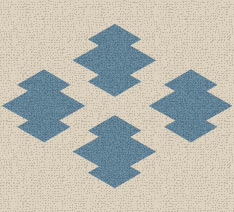
Also nakafutobishi 中太菱. A variation of a diamond pattern called *hishimon 菱文 which consists of a diamond shape with smaller diamonds attached top and bottom. Used in the arrangement of muntins *kumiko 組子 in architectural fittings, and also in Japanese fabric designs. It was particularly popular in the Momoyama period for *tsujigahanazome 辻が花染 on *kosode 小袖, and for noh costumes *noushouzoku 能装束. Variations include: tonbo-ni-matsukawabishi 蜻蛉に松皮菱 (dragonfly and lozenge), nijuu matsukawa 二重松皮 (double lozenge), and oomatsukawa 大松皮 (large lozenge).
 |
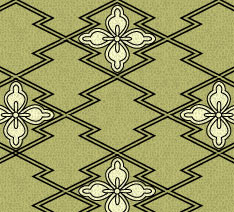 hana-ni-matsukawabishi
花に松皮菱 |
(C)2001 Japanese Architecture and Art Net Users System. No reproduction or republication without written permission.
掲載のテキスト・写真・イラストなど、全てのコンテンツの無断複製・転載を禁じます。